Tustin, CA · Garage Door Service
Garage Doors Built Before Insulation Rules Caught Up
Tustin homes built 1938-2005 often carry uninsulated garage doors from before code caught up. We explain what that means for repair, cost, and comfort here.
- Repairs & new doors
- Springs & openers
- Serving 6 nearby communities
When to Call Someone
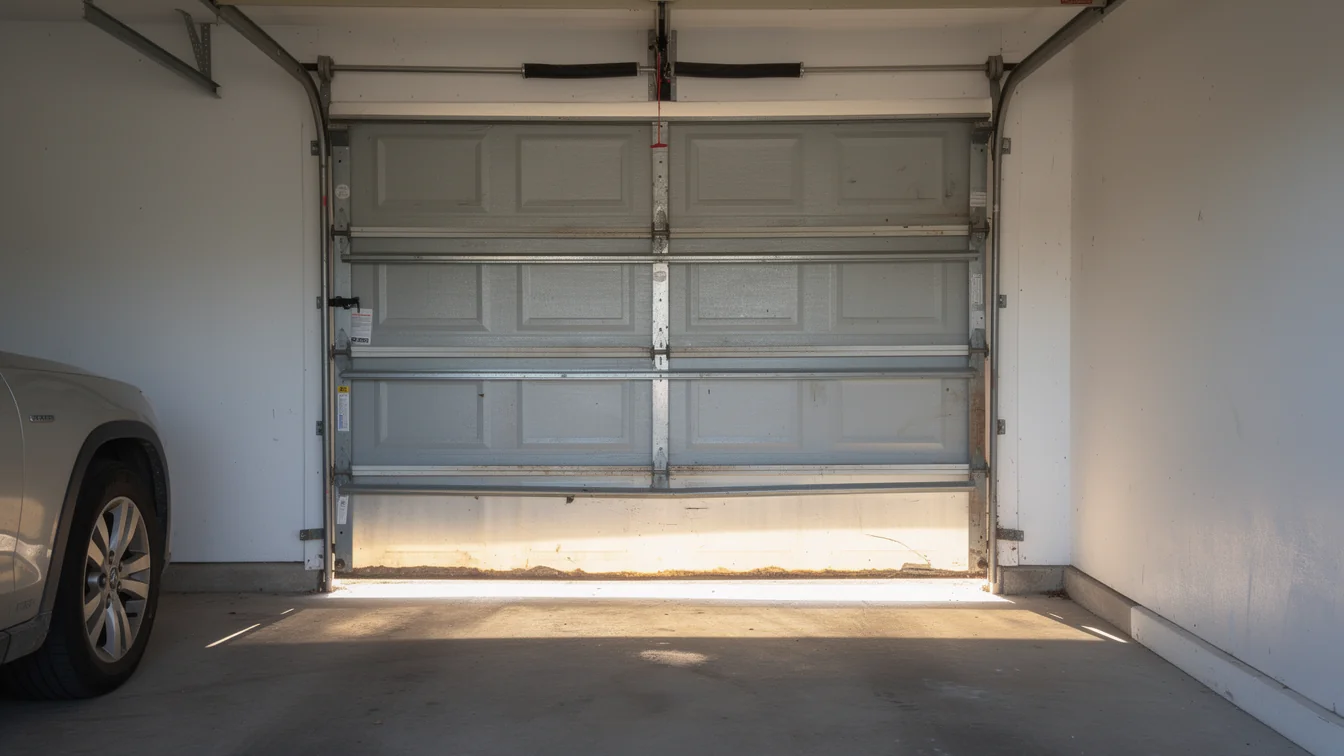
If your garage door panel feels like a single sheet of metal with nothing behind it, you're probably looking at original stock from Tustin's older tracts, where houses went up mostly in the 1960s and 70s before insulation requirements tightened. That thin panel isn't a defect - it's just what builders used at the time. Call someone when the door has started to sag between panels, when the bottom seal has gone brittle and cracked, or when the garage runs noticeably hotter or colder than the rest of the house. Those are signs the door's original materials have reached the end of their run, not signs of a quick fix. A door that's merely noisy or slow to close can usually wait for a scheduled visit. A door that won't seal, won't stay in track, or has a spring that's visibly stretched or kinked needs a call now - those don't get safer with time. If you're in North Tustin or Tustin Legacy and your house dates to that same build era, the same signs apply; the housing stock across this stretch of the county is close enough in age that the symptoms line up street to street.
What Local Conditions Do
Tustin sits in a mild temperate band - no deep freezes, no monsoon season - so the uninsulated steel and wood doors common on houses built between 1938 and 2005 don't crack from cold the way they might inland. What they do get is daily heat cycling: metal expanding under afternoon sun, then contracting overnight, year after year, on a door that was never built with a thermal break. Over decades that cycling works on the seams, the hinges, and the weatherstrip channel faster than most owners expect. Wood-composite panels from the older end of that build range, more common toward Orchard Hills and the Irvine Business Complex side of town, take on a different problem: the wood swells slightly with seasonal humidity shifts and then dries, loosening panel screws over time. None of this is dramatic weather damage. It's slow, and it's the reason a 1970s door that looks fine from the driveway can have hardware that's quietly working loose underneath.
The Cost of This Job
We don't have a flat number to hand you here, because what drives the bill on a pre-insulation door isn't labor - it's whether the original hardware and panel sizing can still be matched. Houses built in that 1938-2005 window, especially the bulk from the 60s and 70s, often used non-standard panel heights or discontinued track hardware that newer doors don't carry. Matching a single damaged panel to an original door sometimes costs more than most people expect, because the part has to be sourced rather than pulled off a shelf. Full replacement with a modern insulated door is often the more sensible move once a door from that era needs more than one repair, both for the energy difference and for parts availability going forward. We'll tell you honestly when a repair isn't worth chasing anymore - that's part of the job, not a sales pitch.
What Is Going On
The short version: a large share of Tustin's garage doors predate the insulation standards that later became routine in residential construction, and the physical signs of that - thin panels, loose seals, hardware sized to specs manufacturers stopped stocking - show up consistently across the older sections of town rather than randomly. That consistency is useful. It means when we look at a door on a house from this era, we're not guessing at what's likely wrong; the build year tells us most of it before we open the panel. It also means the fix often isn't a quick swap. Sometimes the right call is a repair that buys another few years. Sometimes it's a straight replacement because the original materials and hardware have simply aged out of what's commonly available. Either way, the starting point is the same: knowing what decade the door actually came from, and what that decade built with.
Frequently asked questions
Why does my garage door feel so thin and uninsulated compared to newer ones?
If your house dates to the 1960s or 70s, which covers a lot of Tustin's housing stock, your door was likely built before insulation standards became standard practice. It's a single steel skin with no foam core. That's original to the era, not a sign something's broken.
Is it worth repairing an old uninsulated door instead of replacing it?
Depends on what's wrong. A worn seal or a loose hinge is worth fixing. If the panel's cracked or the hardware is a discontinued size, sourcing parts can cost more than people expect, and a modern insulated door often makes more sense long-term.
Does Tustin's weather actually damage these older doors?
Not in a dramatic way - there's no deep freeze or heavy storm cycle here. But daily heat expansion and contraction on uninsulated metal, repeated for decades, works on seams and hardware slowly. It's wear, not weather damage.
How do I know what decade my garage door is from?
We can usually tell from the panel construction, the track hardware style, and the seal type. Houses in this area were mostly built between 1938 and 2005, with the bulk from the 1960s and 70s, so the hardware generation narrows down fast once we see it.
Related garage door services in Tustin
More garage door guides
Book garage door service in Tustin
Call now or request a quote - tell us what the door is doing and where you are.